Showing posts with label Arabic food. Show all posts

Wednesday, 10 July 2013

Lentil soup عدس Aatz

Well, firstly apologies for the inconsistent blog posts, this year has been very busy to say the least.  As I am pregnant with baby number 3 it has been difficult to keep up with activities of daily life looking after 2 boys as well as maintain the blog, cooking videos and undertake the challenge of running cooking classes while being either vomiting from morning sickness or restricted due to illness etc.
While I have had to reduce the time spent on the various projects and neglected the blog while I was planning, preparing and running the cooking classes, with the remaining few weeks before this baby arrives I have put classes on hold and can devote more time to the videos and blog instead.
The cooking classes were very successful and I had wonderfully positive feedback from the participants so I do look forward to running some more in the future.  In the mean time I have begun working on a video course that will be structured the same as for the Egyptian Cooking banquet course that I ran as a class.  This will take me several weeks to complete with the aim of completing it and getting it uploaded to UDEMY before the baby arrives!! So keep an eye out for that.  I will of course let you know as soon as it goes up.

I know that I promised a blog and video on Koshery some time back before I got a cold I couldn’t shake.  It left me very fatigued and I just couldn’t manage it.  I have not forgotten about it and do hope to get around to that soon.

As it is winter now, down here in the Southern Hemisphere, I often look forward to soup to warm our bodies and one very classic and tasty soup that I grew up with at home is a red lentil soup called  عدس Aatz.  Its combination of cumin and lemon are wonderful with the lentils.  Lentils are not a particularly popular but I did make this during one of the cooking classes and found that while most people thought very little of this pulse before tasting the dish once it was served the oohs and aahs were flowing and there seemed to be almost a surprise to some that lentils could produce something that tasted nice.
My mums’ way of making this involved using a special strainer where you turn the handle and the soup gets pushed through tiny holes.  I don’t have one and I did try pushing the soup through a strainer using a spoon but soon realised that was a huge effort and messy too.  Instead my way was to blend the soup using a stick blender which I love since it produces a wonderfully smooth soup.  The same result with half the fuss.

Lentil soup  عدس Aatz

Serves 6

Lentil soup  عدس Aatz
Lentil soup  عدس Aatz

1 ½ cups / 300g red lentils
1 - 1½ litres chicken stock (depending on the consistency desired)
1 tablespoon ghee or butter
1 medium onion, chopped
½ teaspoon salt (if using stock taste before adding salt)
2 teaspoons cumin powder, or to taste
2 tablespoons lemon juice, or to taste

To save on dishes I fry the onion in the same pot as I will cook the lentils in.  Melt the ghee or butter in the pot and add the chopped onion.  Fry on medium heat for 5 minutes or until browned. In the meantime wash the lentils and strain.  When the onion is cooked remove onto a plate and add the lentils and water to the pot. Bring it to the boil then reduce heat, cover and simmer for 30 minutes until cooked.  My parents put the soup through a hand strainer at home but I think it is far easier to use a stick blender and wiz it up until smooth.  Add cumin powder and lemon juice. Check for seasoning before adding salt.  Mix well then serve with the fried onion on top.

This can be served in a bowl as a soup with fresh Lebanese bread on the side for dipping, or several loaves of Lebanese bread can be dried, broken into small pieces and mixed with the soup.  To do this split the bread into halves, place in preheated moderately hot oven 200°C (400°F/Gas mark 6) for 10 -15 minutes or until bread is dry and lightly browned.  Break into small pieces in a large bowl and add the lentil soup over the top. Mix and serve.


Lentil soup  عدس Aatz
Lentil soup  عدس Aatz

Monday, 22 April 2013

Meatballs in tomato sauce كفتة بالدمعة Kofta bil dema-a


I was looking through the massive amount of cooking footage I still have on the computer and discovered a gem.  While our second child was still a baby and not a toddler I made Meatballs in tomato sauce   كفتة بالدمعة  Kofta bil dema-a.

I have always enjoyed eating good tasting meatballs and Kofta  كفتة   is basically an Egyptian meatball.  Kofta can be made so many different ways and it can be fried, or barbecued  or cooked in a tomato based sauce and left to simmer away absorbing flavours on the stove (or this can be done in a slow cooker).  

The key, as with any type of meatball, is to make sure they are browned first as this seals the meatballs and stops them from falling apart in the cooking process.

When I went back and watched the footage I got to reminisce and enjoy those memories from when the kids where so little.  I think this must be one of my favourites, if not my favourite video.  Take a look and let me know what you think...oh, and the food too!


We always had Meatballs in tomato sauce   كفتة بالدمعة  Kofta bil dema-a with rice but I know that many people eat meatballs with pasta.  These could easily be eaten served over pasta if you like.  But at home it was rice.  I love the rice soaking up the sauce and I often used to mush up the meatballs and stir it all together through the rice.  I do that for the kids and they love it.  

As with most things feta cheese, olive and a green salad at the table and it is a complete meal.

Love to have your feedback so let me know how you go making this.


Meatballs  كفتة  Kofta
Kofta Barbecued

Meatballs  كفتة  Kofta
Fried Kofta

Meatballs in tomato sauce   كفتة بالدمعة  Kofta bil dema-a
Meatballs in tomato sauce   كفتة بالدمعة  Kofta bil dema-a

Wednesday, 20 March 2013

Hummus bi Tahina حمص بالطحينة Hommus dip

Book 2 in the Egyptian Cooking series is now available from Lulu.  Click the Book shop tab at the top to link straight through.  The book is only $1.95 and I would love your feedback as always.

Well, the series of cooking classes came to an end last night.  I had a great time cooking and getting to know the ladies of the class.  The classes were interactive and fun with the ladies getting involved which was great. I hope that future classes will run as well and I look forward to even more Egyptian dishes becoming widely known.  I think that dips are fairly well known with a large number of dips being available in supermarkets and delicatessens.  Most of them are very easy to prepare at home and can be adjusted to suit your own tastes.

The dip Hummus bi Tahina   حمص بالطحينة  (Hommus dip) is great because it uses chickpeas which are a great source of calcium and vitamins E and B.  Serve it with fresh bread or crackers, batons of fresh vegetables or even use it as a spread for sandwiches.  This is quick to make and healthy too, what's not to like about that!

I have updated the Egyptian cooking videos so now you can click through to more videos through the menu at the top of the page.  The Hummus bi Tahina   حمص بالطحينة  (Hommus dip) is there too.

Hummus bi Tahina   حمص بالطحينة  Hommus dip

Hummus bi Tahina   حمص بالطحينة  Hommus dip


150g / ¾ cup / 5 oz. dried chickpeas
juice of 1 lemon
2 cloves garlic, crushed
salt, to taste
½ teaspoon ground cumin
ground paprika, to garnish
30 ml / 2 tablespoons olive oil
4 tablespoons/ 60 ml tahini paste (150 ml/ 2/3 cup/ ¼ pint tahini paste)

Put chickpeas in a bowl and cover with cold water and leave overnight.
Drain chickpeas, place in a saucepan and cover with fresh water.  Bring to the boil and cook on high heat for 10 minutes.  Reduce heat and simmer for 2 hours or until soft.  Drain.   Alternatively canned chickpeas can be used instead of dried.  Use 400 g and drain well.

Place chickpeas in a food processor and blend to a smooth consistency.  Add lemon juice, garlic, olive oil and tahini and blend until smooth. Taste and season as required.
Transfer to a bowl, garnish with paprika.

To watch the video click through below or jump onto Dyna's Egyptian cooking on YouTube.


Thursday, 31 January 2013

Prickly pear تين شوكى Teen Shawky


I plan to have my first Egyptian Cooking eBook up this week, so keep an eye out for that!
In the meantime, we had a kinder interview this morning for my son who will be in 4 year old kinder this year.  Very exciting.  We spent some time meeting the teacher that will be the biggest influence on our son outside of the home and getting the paper work out of the way.  We were then shown the ins and outs - literally, where we come in and go out etc. And then as if in a wink we were finished.  Armed with the knowledge we needed for the smooth transition into the first week of kinder.  The kids were content and since we were already out and about and it was just on 9 am I thought we would head to the market. 
I was actually trying to source figs since I have used up all the fig jam I made last year (I really do think it is the best thing on fresh bread with butter).  I had fig jam on toast this morning and have enough left for about two more slices.  That’s it.  Being so critically low was my motivation for finding figs in a quantity and price that was conducive of producing enough fig jam for the following year.  I found them in several places including the supermarket and they ranged in price from $10 to $25 per KG. 
Since I had dragged the kids around for an hour or so I thought it was time for them to have a play and enjoy getting their faces painted (well one had his hand painted instead) but we enjoyed looking and buying bits and pieces.  On our hunt for figs I noticed a man moving a box of prickly pears from one location to another.  Wow, I feel like I haven’t had them for ages!  My eldest asked me what they were, wanted to pick them up by hand (to my horror) and asked me if he could eat one.  I thought there was no better time than now to get them and whilst I get to enjoy them once again he can hopefully get more educated where prickly pear is concerned.  They are handled with tongs, carried carefully, peeled with gloves on and then finally they are edible.
Prickly pear تين شوكى  Teen Shawky
Prickly pear تين شوكى  Teen Shawky

I bought 4 and thought I would see how the boys find them to eat.  With all those seeds I realize they may not appeal to everyone but I think that they are still worth trying – at least once.  When we got home again I was barraged with questions regarding the prickly pears.  He settled on waiting to have them for dessert tonight so it leaves me with enough time to get them prepared.  I thought I would make a video of how to peel them for anyone who has not seen them before and who would like to know what to do with them (I often feel like that, particularly with some Asian fruit or vegetables which I come across and am unaccustomed to).  With the difficulty in preparing the fruit I think I will wait until hubby gets home from work to help me get the video together but that will be available to view shortly.
Prickly pear تين شوكى  Teen Shawky
Prickly pear تين شوكى  Teen Shawky

My dad grew a cactus in the backyard when we were growing up.  It was tucked away in the far back corner of the backyard so there were never any mishaps where the tree was concerned.  Being a cactus there must be precautions as I can imagine how painful it would be for a child to get pushed or fall on it.  Probably hours sitting and crying while the thorns are removed.  I can’t remember seeing it, perhaps he got rid of it before the onslaught of grandchildren came along.  I must remember to ask him if he still has it hidden away in the corner and if so I will make a mental note not to tell the kids about it since it will inevitably act like a magnet, drawing them to it inexorably only to end in tears when they get prickled! 
My mum was always the one to get the prickly pears out of their spiky shells.  When the cactus wasn’t productive my parents would buy some at the market and mum would stand at the kitchen with gloves on, carefully removing the fruit and setting them aside.  I think she and I were the ones who really liked eating them.  I feel the baton has passed to me, to buy, peel and set a plate of prickly pears in front of my family for their enjoyment.  I only hope they do but at least I get to reflect on the memories of home and taste the fruit once again.
Prickly pear تين شوكى  Teen Shawky
Prickly pear تين شوكى  Teen Shawky
Prickly pear تين شوكى  Teen Shawky
Prickly pear تين شوكى  Teen Shawky
   
Prickly pear تين شوكى  Teen Shawky
Prickly pear تين شوكى  Teen Shawky


So while today was not the day for fig jam (although this is something I can look forward to for another day) and I had the special surprise of coming across the prickly pear.  So all in all not a bad outcome.   
Prickly pear تين شوكى  Teen Shawky
Prickly pear تين شوكى  Teen Shawky

As a side note, when prickly pear was first introduced into Australia it became a serious invasive pest, growing out of control across huge tracts of land.  In the early 20th century the decision was made to introduce a moth - Cactoblastis cactorum - seriously, what an awesome name for an insect – in an attempt to control the prickly pear as its larvae eat the plant.  Thankfully the introduction of the moth worked wonders with prickly pear being virtually wiped out and the moth not affecting other local plants or animals (at least as far as I know, but happy to stand corrected).  Sadly attempts to use the moth in a similar manner in other parts of the world have not worked so well with the moth now an invasive species and with its range growing each year.  It was such a big event in Australia though that there is even a memorial erected to the introduction of the moth in Dalby, Queensland!


Wednesday, 2 January 2013

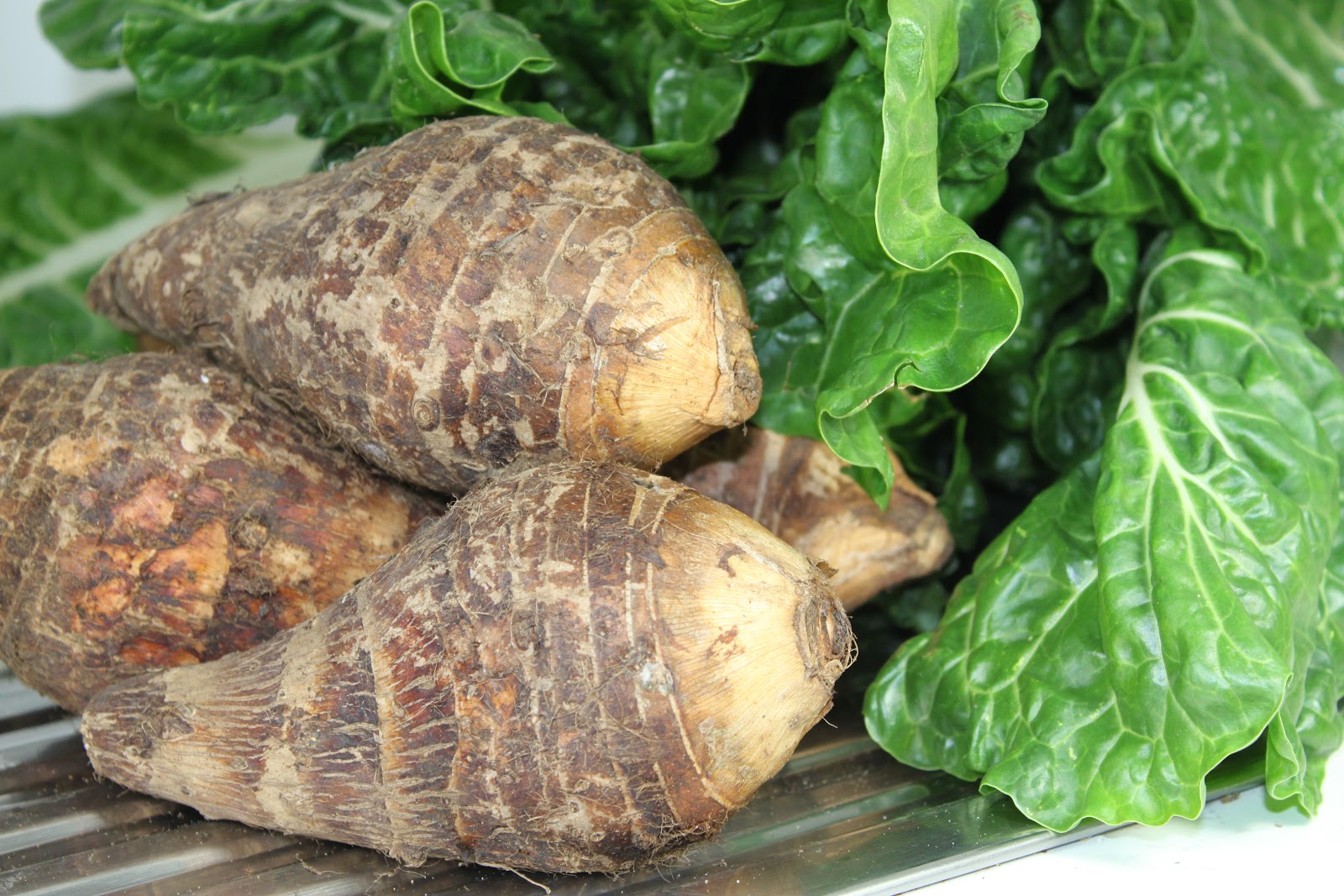
Colcasia,Taro, قلقاس Ulass


I was in the Shopping Centre today with the boys and as we were making our way from one random location to another we passed a yoghurt stand which caught my attention.  I read a sign which read Taro and I really thought that was an unusual yoghurt flavour.  I naturally had to try it, and it was REALLY very nice.  Sweet popcorn like flavour.  It took me back to eating Taro at home.  Colcasia, also known as Taro, قلقاس Ulass, is a brown root that exudes a sticky sap when cut. However, when cooked right, it is a deliciously unique vegetable.
Colcasia, also known as Taro, قلقاس Ulass
Colcasia, also known as Taro, قلقاس Ulass

In Egypt, taro is known as kolkas قلقاس and is larger than what would be found in North American or Australian supermarkets.  My mother would cook Ulass by peeling the taro completely and cutting it into small cubes.  It was then cooked in a broth, with fresh coriander and Silverbeet (Swiss chard).  My dad grew up having it differently.  He said it was cut into slices and cooked with minced meat and tomato sauce.  I don’t have any memory of my mother making it this way but in the broth it is lovely.

I recall mum buying already peeled, cubed and frozen Colcasia but having no idea where I could find it locally and wanting very much to make this from scratch I set out on a mission to find the tubers fresh.
I had rung a local grocer to find out if they stocked Taro and they said yes so I bundled the kids in the car and headed to the grocer.  I love fresh fruit and vegetables and seeing what is in season so I spent a little time looking around at all the wonderful vegetables before asking after Taro.  The man with the clipboard seemed like the right person to ask.  So, I did, although truth be told I was a little confused about the difference between Taro and Yam.  I thought they were different names for the same thing and since I only knew this dish by the Egyptian name I mistakenly asked him “Do you have any Yam?”.
“No we don’t stock it”.
“Well, I rang about it and was told you do”
“I am the produce manager and I know that we don’t stock it.”

Colcasia, also known as Taro, قلقاس Ulass
Colcasia, also known as Taro, قلقاس Ulass
After a bit more to-ing and fro-ing I left, quite disappointed.  We then head to another market and we head in that direction, cutting it fine since it was close to lunch and nap time for the boys.  We find parking and as we do I notice an Asian greengrocer.  I decide to try in there too.  It was a wonderful store.  Full of beans, pastas, bottled goods, fruit and veg of a wonderful array – including globe artichokes!!!  (If you already read the artichoke saga you will understand my amazement at this).  Anyway I saw so many different vegies (not surprising in an Asian grocer) but there I found the yams I was after. 
Colcasia, also known as Taro, قلقاس Ulass
Silverbeet, Swiss Chard

At $10 a kilo I thought the price was alright, but then I noticed that they were growing mould on them.  I found a lad and asked if he was going to get more in and when.  Eventually he said wait and disappeared.  On his return he was carrying a box with more of the same but …not mouldy.  I carefully chose 5 of them and moved on to the okra (also requiring a hunt for fresher product from out the back) and a few more items. 

When I get home I pull up the recipe that I have for Ulass and have a read.  For some reason, I feel the need to do a Google search on Yams and I can’t find a picture of the yams I bought.  I try Colcasia and Taro and get all confused.  In the end I get my husband to assist me in determining if what I have bought is a yam and if a yam is the same as Taro and /or Colcasia.  Turns out that Taro is the English name for Ulass and Colcasia.  I was hunting down Yams and I bought yams (so I thought) but what I actually bought was Taro and amazingly, Taro is what I needed, so… naturally relieved I start making Ulass, the way my mum made it.

Colcasia, also known as Taro, قلقاس Ulass
Colcasia, also known as Taro, قلقاس Ulass

 I start peeling the Taro after my youngest is back in bed for his morning nap and his older brother is out working on his garden.  I decide to video as well and will see how it looks, hopefully it is good enough to upload to “Dynas Egyptian Cooking” Channel on YouTube but I needed to get a very dirty boy (having finished his gardening and come in) clean first.  He decided to help.  And helpful he was.  Peeling, washing, chopping and preparing the Taro, Silverbeet and the Chicken stock.  I just had to get a photo.

Colcasia, also known as Taro, قلقاس Ulass
Colcasia, also known as Taro, قلقاس Ulass
Colcasia, also known as Taro, قلقاس Ulass
Colcasia, also known as Taro, قلقاس Ulass

I put things on hold to make lunch and to get the boys to have a nap.  I took photos of the boiled chicken and cleaned up and then I took the boys to the park for a couple of hours before the mad dash to get dinner on the table.  My youngest is crawling all over me for food and resorts to a raw onion he finds and starts to eat it.  I have to hold him, feed him, cook rice, boil the stock, sauté the silverbeet and then blend it, fry the garlic and get the whole thing videoed at the same time.  Not too bad until the camera dies and I have to use a replacement – which has a flat battery and even the backup battery is flat!  I am clearly frazzled when my husband walks in home from work.  He finds a power cord and extension for the camera while I feed my youngest some rice and chicken.  My eldest starts eating rice and chicken too and within 5 minutes I have completed my task. Dinner finally ready !! But the photo first.  Then I finally got to eat and write up the blog, edit, upload and so…I left the clean up!

1 kg Colcasia/Taro
4 cups homemade chicken stock or broth (see page ?)
40 ml or ½ a lemon juiced.
½ bunch silverbeet/swiss chard greens/ kale, stems removed and roughly chopped.
½ bunch fresh coriander /cilantro leaves.
2 tablespoons Ghee or butter
3 teaspoons or 7 cloves crushed garlic
½ teaspoon salt
¼ teaspoon ground pepper

Serves 6
Peel and cut colcasia into cubes.
Heat broth in a deep pan and add colcasia and lemon juice then leave to boil about 25 minutes or until tender.
In a large fry pan add ½ cup water and the chopped silverbeet and coriander along with the salt and pepper.  Stir over high heat until the silverbeet has wilted.  Transfer to a blender and blend to a puree.
 Melt ghee or butter in a frying pan or skillet, add garlic and fry until beginning to brown.  Add the pureed greens and cook for a further 5 minutes.
Add the silverbeet mixture to the colcasia and bring to the boil.

Colcasia, also known as Taro, قلقاس Ulass
Colcasia, also known as Taro, قلقاس Ulass

Serve hot along with rice and boiled chicken.

Sunday, 14 October 2012

ZUCCHINI OVENBAKE كوسة بالباشاميل KOUSA BIL BÉCHAMEL Part 2


ZUCCHINI OVENBAKE كوسة بالباشاميل KOUSA BIL BÉCHAMEL part 2


So here is the second part to the ZUCCHINI OVENBAKE كوسة بالباشاميل KOUSA BIL BÉCHAMEL video.   The beginning of these videos is new and hopefully makes a great (and stylish!) little introduction to the recipe.  Hope you like it.


You can subscribe to my YouTube channel to receive the updates as they happen as well as being able to subscribe on the Blog of course.


I would love your feedback so feel free to comment, ask questions or add any variations you may have.  


ZUCCHINI OVENBAKE كوسة بالباشاميل KOUSA BIL BÉCHAMEL

Thursday, 11 October 2012

Zucchini Ovenbake كوسة بالباشاميل Kousa bil béchamel


Zucchini Ovenbake كوسة بالباشاميل Kousa bil béchamel


I quite like Zucchini (Squash).  Its a great vegetable and easy to cook but can lack flavour if eaten on its own.  Thats where this recipe can come in handy.  It is similar to Mousaka which is made using eggplant that is layered with a Beshamel sauce and quite well known as a Greek dish.  But this Egyptian version known as كوسة بالباشاميل Kousa bil béchamel is tasty too.

Zucchini Ovenbake كوسة بالباشاميل Kousa bil béchamel

Zucchini Ovenbake كوسة بالباشاميل Kousa bil béchamel

Serves 6


1 kg zucchini cut into 1cm thick slices
2 tablespoons olive oil
1 large onion finely chopped
2 cloves garlic, crushed
1kg minced or ground beef
2 x 140g tub tomato paste
690ml tomato passata + 500ml water
Salt, pepper and   mixed spice to taste
¼ cup breadcrumbs

Béchamel (White sauce)
100g butter
100g/ ½ cup plain flour
2 ½ cups / 625ml full cream milk,
1 teaspoon mace or mixed spice
1 ½ teaspoon allspice

Salt/pepper to taste
½ cup grated parmesan cheese, optional


To make the meat sauce

Heat oil in a large pan then add onion and garlic and fry over medium heat until translucent.  Add mince and cook over high heat for 15 minutes breaking up any lumps until it is browned and almost all the liquid has evaporated.
Add tomato paste, mace (mixed spice or allspice is fine too) and season with salt and pepper.  Cook for 2 minutes before adding 2 cups or 500ml water.  Bring it to the boil, reduce heat and simmer uncovered until meat is cooked and the liquid has reduced and almost completely evaporated.

To make the béchamel sauce

In a heavy based saucepan melt the butter over medium heat and add the flour.  Cook for 2 minutes, add the spices and cook for a further minute, stirring continuously.  Add the milk a little at first and stir to a smooth paste before adding more. Continue to add milk and stir to remove any lumps.  Bring to the boil, reduce heat and cook until the sauce has thickened.  Remove from heat.

Preheat oven to 180°C (350°F/Gas mark 4).   

Grease a 20 x 15 cm tray with butter or oil and sprinkle the breadcrumbs over.   Tap the tray to spread the crumbs in a thin layer and remove any excess.  Layer half the zucchini over the base then cover with half the cooked mince.  Repeat with another layer of zucchini and the remainder of the meat.  Spread the béchamel sauce evenly over the top and bake, uncovered, for 40-45 minutes or until golden brown on top and zucchini is cooked.
Serve over rice and with a salad.


Zucchini Ovenbake كوسة بالباشاميل Kousa bil béchamel

Zucchini Ovenbake كوسة بالباشاميل Kousa bil béchamel


Zucchini Ovenbake كوسة بالباشاميل Kousa bil béchamel

Zucchini Ovenbake كوسة بالباشاميل Kousa bil béchamel


To view the video of how to make Zuccini Ovenbake كوسة بالباشاميل Kousa bil béchamel click on the link below.  This is part 1, stay tuned for part 2 to follow.


Zucchini Ovenbake كوسة بالباشاميل Kousa bil béchamel